Engine Repairs
From Diagnosis to Revitalization: A Guide to Vehicle Engine Repairs
The heart of any vehicle is its engine. It propels the vehicle along the road and must operate consistently to ensure safe and reliable transportation. Still, engines are intricate machines with various moving parts that may experience wear and tear over time. Timely repairs and regular maintenance are essential to catch issues before they worsen and lead to extensive damage.
Extending an engine’s life relies on proper maintenance. To stay on top of wear and tear, A&A Tires & Truck Towing advises routine services like oil changes, fluid flushes, and inspections of hoses and belts. Our skilled technicians can identify minor problems before they turn into expensive repairs. With a range of services including diagnostics, repairs, and preventative maintenance, A&A Tires & Truck Towing is a full-service auto shop, and we’re here to keep your engine in great shape.
The Ins and Outs of Your Engine
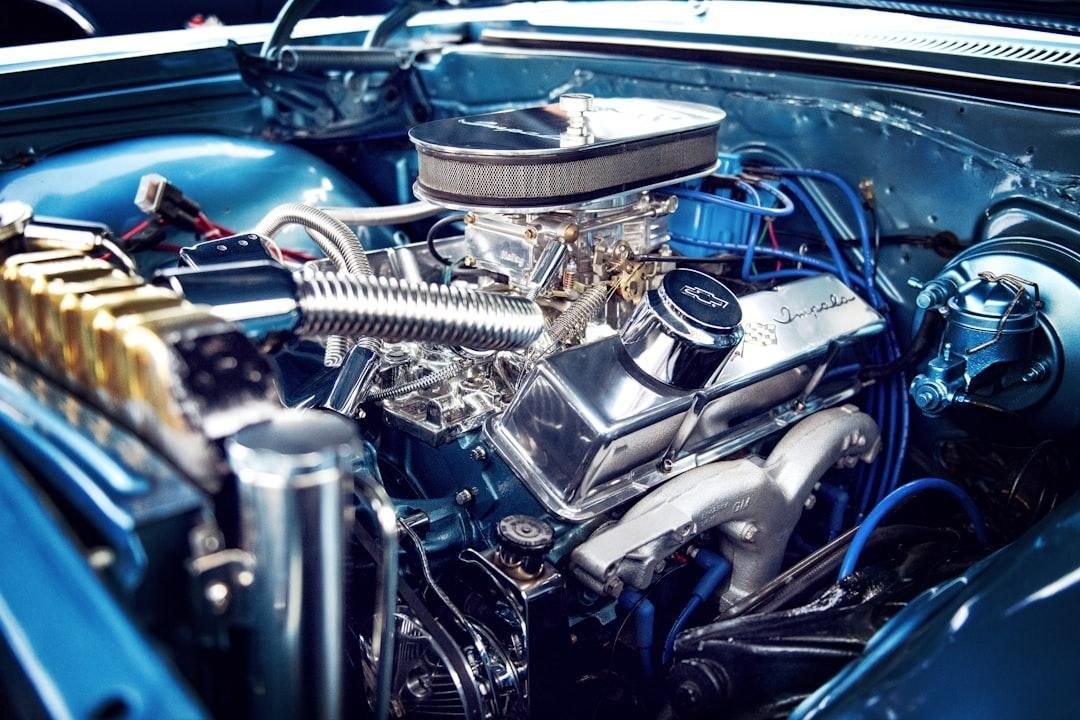
The engine comprises several core components that cooperate in transforming fuel into controlled explosions, generating the power needed to propel the vehicle forward. The components comprise the engine block, cylinder head, crankshaft, and more. Diagnosing and repairing engine issues require an in-depth understanding of each part’s function — a job you'll want to entrust to our technicians at A&A Tires & Truck Towing.
Engine Block
Typically, manufacturers construct the main housing of the engine from iron or aluminum. It assists in the functioning of multiple crucial parts, including cylinders, crankshaft, and camshaft.
Cylinder Head
The cylinder head contains important components such as intake and exhaust valves and camshafts. Its primary function is to regulate the entry of air and exit of exhaust gasses, essential for engine performance.
Crankshaft
The crankshaft is the main part that transfers energy to move the vehicle, and it stays connected to the pistons through connecting rods. It transforms the back-and-forth motion of the pistons into rotational force, which is used to drive components such as the transmission.
Connecting Rods
The connecting rods connect the pistons to the crankshaft. During engine operation, these components allow for both rotational movement and flexing movement between the piston and crankshaft.
Pistons
Pistons move up and down inside the engine block, drawing in a mixture of fuel and air. The connecting rod transfers the force generated during combustion to rotate the crankshaft, which in turn propels the vehicle.
Spark Plugs
The positioning of spark plugs in the cylinder head strategically produces electric sparks that ignite the compressed fuel-air mixture and start combustion. This combustion powers the pistons, causing them to move.
Fuel Injectors
Fuel injectors, positioned near the intake valves, spray atomized fuel into the intake stream with high pressure. This optimizes fuel-air mixing to ensure clean and efficient combustion.
Camshaft
The timing belt or chain connects the camshaft to the crankshaft. The valves open and close through pushrods or direct contact, depending on the piston’s position, thanks to its lobed shape.
Valves
There are two valve types that control and fuel intake and flow: intake valves and exhaust valves. To let fresh air and fuel enter the engine, the intake valves open during the intake stroke, while the exhaust valves open during the exhaust stroke to expel the combustion gasses.
Timing Belt
The timing belt synchronizes camshaft and crankshaft rotation for proper valve timing. It ensures combustion occurs at the right moment in the piston’s cycle for maximum power and efficiency.
Warning Signs To Look Out For
Usually, the engine will give indications when issues begin to occur. Being mindful of signs such as variations in the vehicle’s performance or handling can aid in detecting problems early on, preventing further damage. Remember, if you notice warning lights turning on or experience a sudden increase in fuel consumption, it’s important to have your vehicle inspected at A&A Tires & Truck Towing right away.
Check Engine Light
The check engine light indicates possible issues that need to be diagnosed to avoid further damage.
Overheating
If left unresolved, overheating can lead to warping, leaks, and reduced efficiency. There could even be smoke if it’s bad enough.
Reduced Fuel Economy
A drop in fuel mileage is a strong indicator of engine issues, particularly when accompanied by other symptoms.
Engine Misfires
Improper combustion in specific cylinders causes uneven acceleration when the vehicle is under load.
Strange Noises
Mechanical faults may be present if you hear unusual noises during startup, idling, or acceleration.
A&A Tires & Truck Towing Is Here for Your Engine in Harrisonburg, VA
Paying attention to new sounds, lights, or performance changes can assist in identifying possible issues with your vehicle. A&A Tires & Truck Towing recommends prompt diagnosis of warning signs to catch these concerns before they escalate. With our skilled technicians and state-of-the-art equipment, we can effectively diagnose and fix your vehicle’s engine problems.
After years in operation, we know a thing or two about engine health. Trust our experienced technicians to diagnose issues promptly and make the repairs needed for maximum performance and reliability of your vehicle. Don’t wait until a minor problem becomes major — call us today at (540) 432-1620 to schedule an appointment.