Fuel Injectors
Injecting New Life into Your Engine, One Nozzle at a Time!
A properly functioning fuel injection system allows your vehicle to start smoothly. The integral component helps to deliver the right amount of fuel to your engine at the right time.
Fuel injectors are present in different engine types. To ensure you enjoy optimal fuel economy, here’s A&A Tires & Truck Towing's take on the main types, components, and essential maintenance tips.
Major Types of Fuel Injectors
There are different types of fuel injection systems available to cater to your engine’s diverse needs.
Single Port Fuel Injection (PFI) or Throttle Body Fuel Injection
Single-point injection, or TBFI, is one of the earliest fuel injection systems. It combines inflowing air with fuel in the intake manifold before distributing it to the cylinders. Throttle body injectors make up this cost-effective system but sometimes lack accuracy. Proper servicing at A&A Tires & Truck Towing can help ensure an efficient fuel-air mixture.
Sequential Fuel Injection
The advancements keep on coming. This fuel injection unit is an improvement to the multiport system. It accurately injects fuel into the engine to match the cylinder action. The fuel spends less time in port, ensuring the network remains cleaner and lasts longer. Seeking expert repairs at A&A Tires & Truck Towing can ensure improved injection timing and engine performance.
Direct Fuel Injection (GDI)
This system bypasses the intake to supply fuel to the cylinder directly. It is common in high-performance diesel engines that require impressive amounts of torque. When present in petrol engines, we call it Gasoline Direct Injection (GDI). With our meticulous maintenance at A&A Tires & Truck Towing, you’re guaranteed optimal fuel spray pattern.
Main Components of the Fuel Injection System
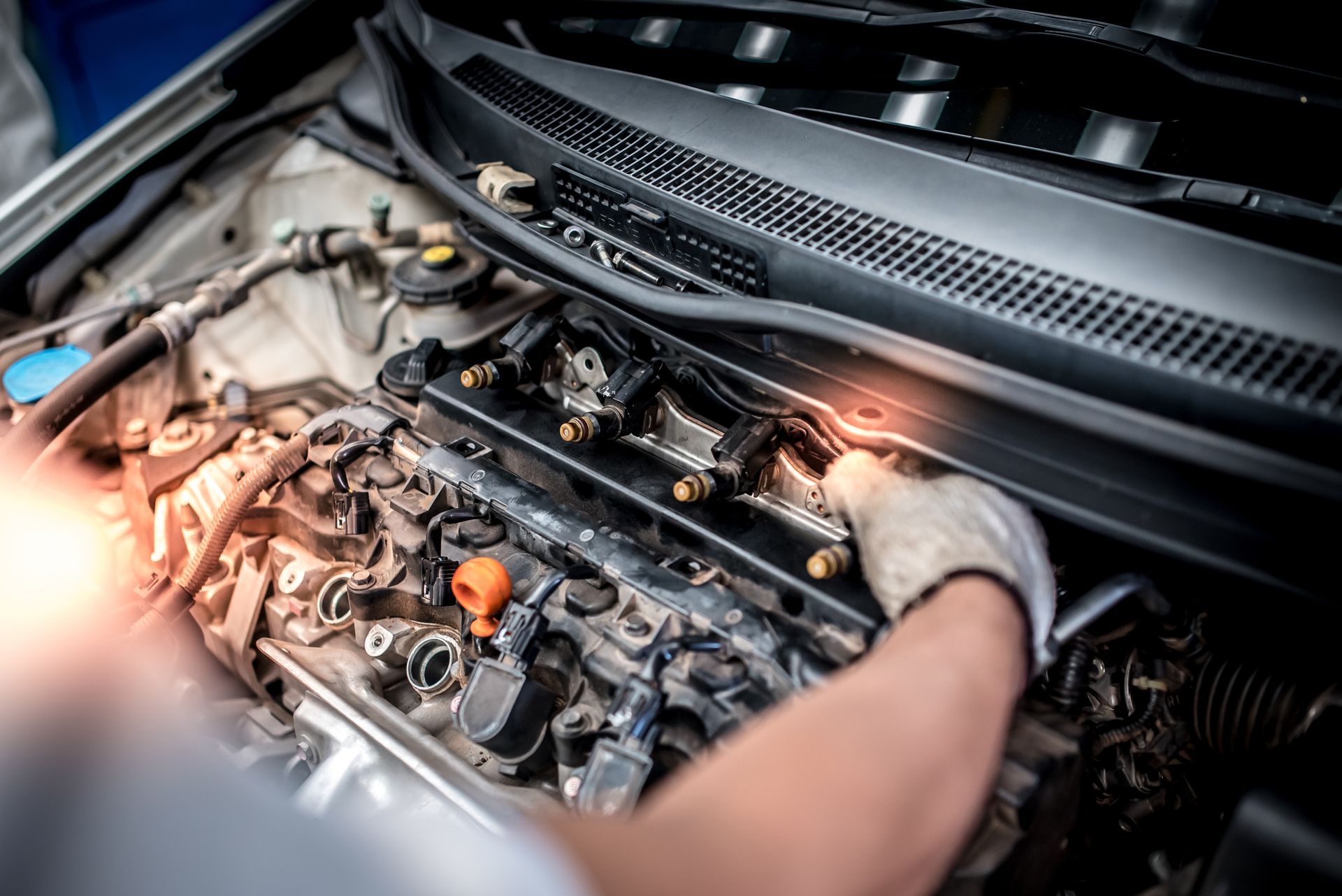
The modern automobile has several fuel injector units that atomize and push fuel into the combustion chamber. Each unit comprises a nozzle, a solenoid, and an injector body that the A&A Tires & Truck Towing can help you maintain. The injector nozzle serves as a precision-machined device with an inlet and outlet openings. The inlet takes in fuel from the tank while the outlet releases the petrol or gasoline to the combustion chamber.
Meanwhile, the injector body helps convert electrical signals from the solenoid into pressure that injects fuel through the nozzle. Upon triggering the injector, the fuel injector solenoid opens to allow fuel flow through the nozzle and into the combustion chamber. A fuel rail connects the injectors to the fuel tank. There is also a network of sensors in the Engine control unit (ECU) that read data and help regulate fuel injection. According to A&A Tires & Truck Towing, these sensors include:
- Oxygen Sensor: Monitors oxygen levels in exhaust emissions. This helps the ECU establish if the air-fuel mixture is enough before adjusting to boost combustion efficiency.
- Mass Airflow Sensor: Evaluates the volume of incoming air and serves as fuel pressure regulator. It enables the ECU to ascertain the amount of fuel needed for combustion accurately.
- Throttle Position Sensor: Tracks the throttle valve’s position, providing info on engine air entry and regulating the throttle body injector.
- Coolant Temperature Sensor: Assesses the combustion engine’s temperature.
- Engine Speed Sensor: Monitors the engine’s Revolutions Per Minute to ensure the ideal timing and quantity for fuel injection.
- Manifold Absolute Pressure Sensor: Calculates the air pressure in the intake manifold.
- The Voltage Sensor: Determines the vehicle's system voltage, which allows the ECU to make changes. For instance, the ECU can lower the idle speed when the voltage rises after a fall in the electric load.
Key Diagnostic Injector Warning Signs
Fuel injectors act like small electronic valves that may become faulty over time. Some of the warning signs that help our professionals at A&A Tires & Truck Towing pinpoint problems with the injector system include:
- Engine misfiring: Does your engine stall when you try turning it on? Then, there may be an issue with the air-fuel ratio due to an injector issue. This is even more evident when the Check Engine light comes on with misfire codes pointing to the affected injector.
- Reduced Fuel Economy: An excessive amount of atomized fuel can get to the cylinder when the injector stays open. Allow us at A&A Tires & Truck Towing to improve your fuel economy by correcting the poorly operating injector.
- Engine Stumble: An engine cylinder starved of fuel can’t generate any power. This can result in uneven running and fluctuating RPMs.
- Engine Surge: Inconsistent fuel injector performance may contribute to occasional fuel surges, especially during acceleration.
Need a Boost? A&A Tires & Truck Towing Is Here to Help
Regular vehicle maintenance is crucial to preventing fuel injector problems. Our stepwise fuel injection system servicing at A&A Tires & Truck Towing aims to improve your fuel delivery system. It entails testing the fueling injectors with a scan tool that measures amp resistance and voltage on the wiring harness for possible electrical errors. We can also perform a flow test on the injectors to avoid clogging.
Additionally, we clean the fuel injectors to remove pooled fuel and clear the carbon deposits that may interfere with fuel atomization. In case the injector clogging is due to heavy deposits from lack of maintenance or poor fuel grades, our technicians can opt to replace the failed injectors. Check us out at 4099 N Valley Pike, Harrisonburg, VA 22802, to schedule your next fuel injector maintenance today.