PCV Valve
Out With the Fumes, In With the Smooth: PC Valve Service
It isn’t a secret that regular vehicle servicing ensures your automobile stays in optimal condition. While oil and coolant changes often take top priority during maintenance, they aren’t the only aspects keeping your engine running efficiently. One lesser known engine part is the positive crankcase ventilation (PCV) system that’s essential to pollution prevention.
The experts at A&A Tires & Truck Towing strive to keep you informed when tuning everything under your hood, including a key component: the PCV valve. Here’s extensive insight into what’s a PCV valve, early warning signs of a bad system, and A&A Tires & Truck Towing’s top maintenance tips.
What’s the PCV Valve and System
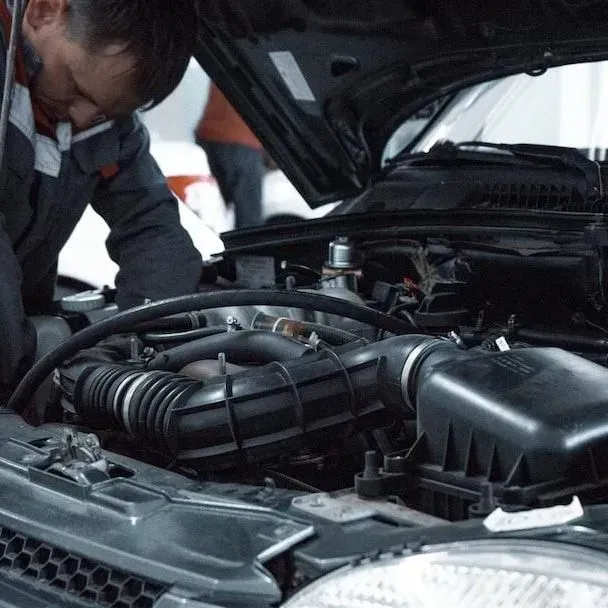
Every part of your vehicle’s engine is crucial to your vehicle’s overall performance. The PCV system, or the Crankcase Ventilation system, is one such component. Overall it:
- Helps with emission control through gas recirculation
- Improves your fuel economy
- Keeps internal engine components clean
- Ensures optimal engine ventilation
The crankcase is an intrinsic part of your internal combustion engine that stores and promotes oil circulation in the crankshaft. It holds the motor oil at the bottom of your engine. The PCV valve assembly is attached to the crankcase and serves as a one way valve preventing blow-by gases from leaking past the piston rings.
How Does the PCV Valve Work?
Air-fuel combustion inside a running engine generates kinetic energy. This energy promotes piston movement within the cylinders. The tolerances inside the cylinders are usually very tight. However, there’s some space between the piston and cylinder wall that enables the movement.
Sometimes, emissions from the combustion process may sneak past the piston cylinders into the crankcase. These vapors or blow-by gases can contaminate your motor oil under storage and contribute to corrosion. To prevent this issue, vehicle innovators came up with the PCV system that you can maintain with our help at A&A Tires & Truck Towing.
It's comprised of a hose that draws unwanted fumes from the crankcase through the one-way PCV valve. The system recirculates the crankcase gases to the cylinder where it can burn up after recombining with fuel and fresh air.
What Are the Warning Signs of a Faulty System?
There are several obvious symptoms that help us at A&A Tires & Truck Towing determine if your PCV valve needs servicing. They include:
Excess Oil Consumption
A PCV valve stuck in an open position allows excess vapor to escape from the crankcase. Excessive vapor loss directly contributes to the increased burning of motor oil.
Conversely, a closed PCV valve causes your crankcase pressure to build up. This increases the chances of oil leaking through seals and gaskets. Have A&A Tires & Truck Towing perform an inspection to lower your oil changes and consumption.
Strange Engine Sounds
A faulty PCV valve can cause your engine to make weird whistling or whirring noises. Air leaking from the PCV valve or hose produces a whistling sound when it escapes through the hole. Luckily, our professionals at A&A Tires & Truck Towing are adept at identifying and resolving strange under-the-hood noises.
Rough Idle or Stalling
When your engine doesn’t run at a steady state after starting, you may be experiencing a rough idle. Sometimes, it may stall or operate at varying revolutions per minute, even when your foot is on the pedal. This issue may arise when sludge and dirt block your PCV valve or cause it to leak over time.
Expert periodic servicing at A&A Tires & Truck Towing can help keep this component fully operational.
Sludge
A malfunctioning PCV valve allows blow-by gases to mix with your motor oil. This often results in contamination that presents as sludge build-up. The sludge can result in costly engine damage that you can easily avoid with A&A Tires & Truck Towing’s professional maintenance services.
Sluggish Acceleration
When the PCV valve is constantly open, it can result in a reduced air-fuel mixture. This poorly combustible mixture can cause low acceleration or even backfiring. Luckily, A&A Tires & Truck Towing’s PCV system tune-up crew can improve your valve operation and engine efficiency.
Blinking Check Engine Light
Your vehicle’s powertrain control module (PCM) utilizes oxygen sensors to monitor the engine’s air-fuel mixture. The check engine light may come on when the PCM identifies a rich or lean condition due to a faulty PCV valve.
While there may be other issues causing blinking check engine lights, have A&A Tires & Truck Towing experts identify and resolve them.
Keep Your Engine Breathing Easy With A&A Tires & Truck Towing's Help
Unlike oil or battery changes, there isn’t a specific timeline for replacing your PCV valve. Excessive blow-by gases can damage or sludge the valve up over time. Luckily, you can seek out A&A Tires & Truck Towing’s comprehensive PCV system maintenance services that entail regular professional inspection, PCV valve replacement intervals, and the use of quality filters to reduce contaminants entering the crankcase.
Visit us at 4099 N Valley Pike, Harrisonburg, VA 22802 to plan your next PCV valve tune-up today and meet emission standards.